
Heart of Tex-Mex
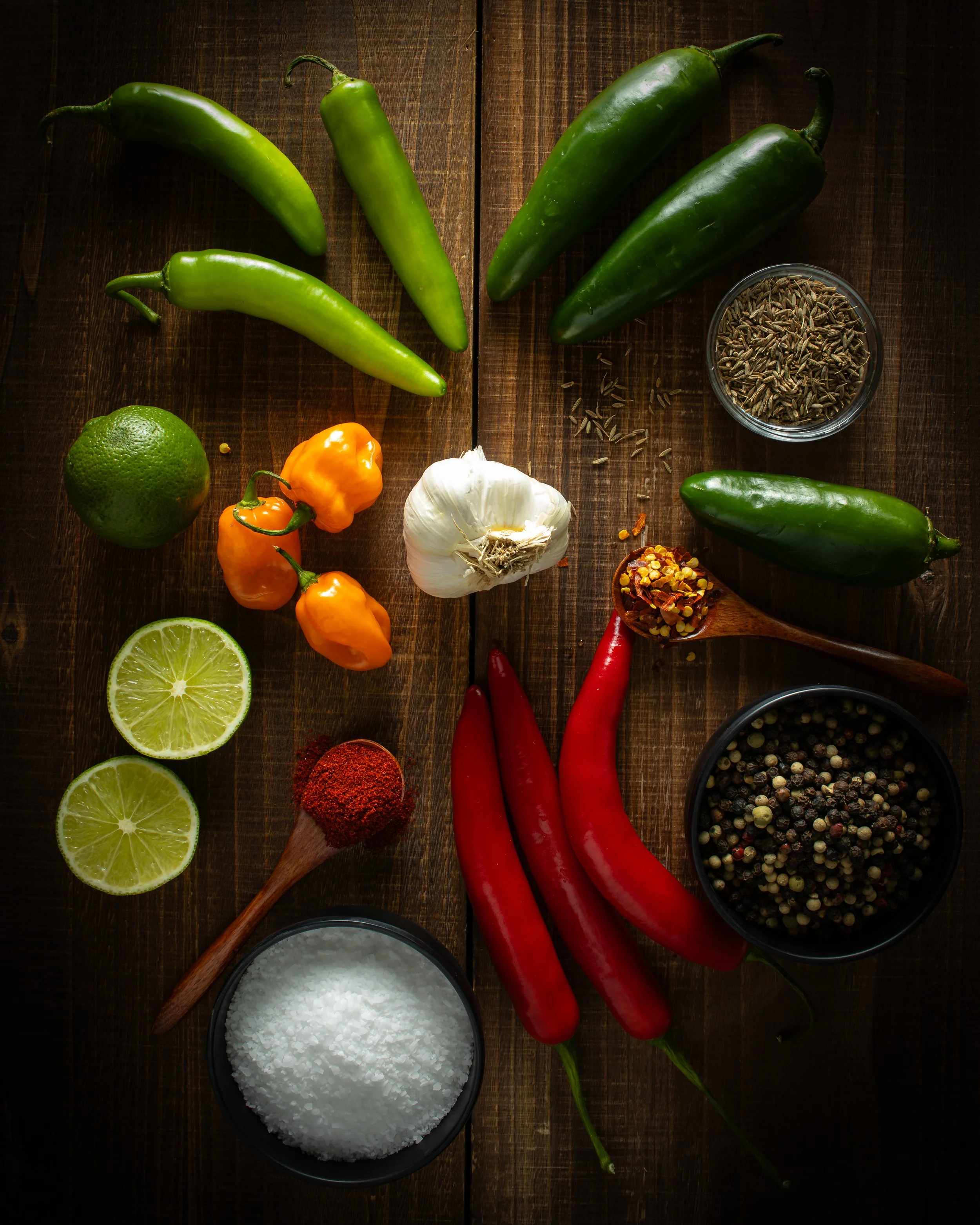
Cooking has been an important part of my life for many years, and Tex-Mex cuisine has always represented more than bold flavors and vibrant colors. It's about gathering around the table, preparing food with care, and sharing it with friends and family. The ingredients are the foundation of those meals, but the love and time invested in preparing them are just as much a part of the story.
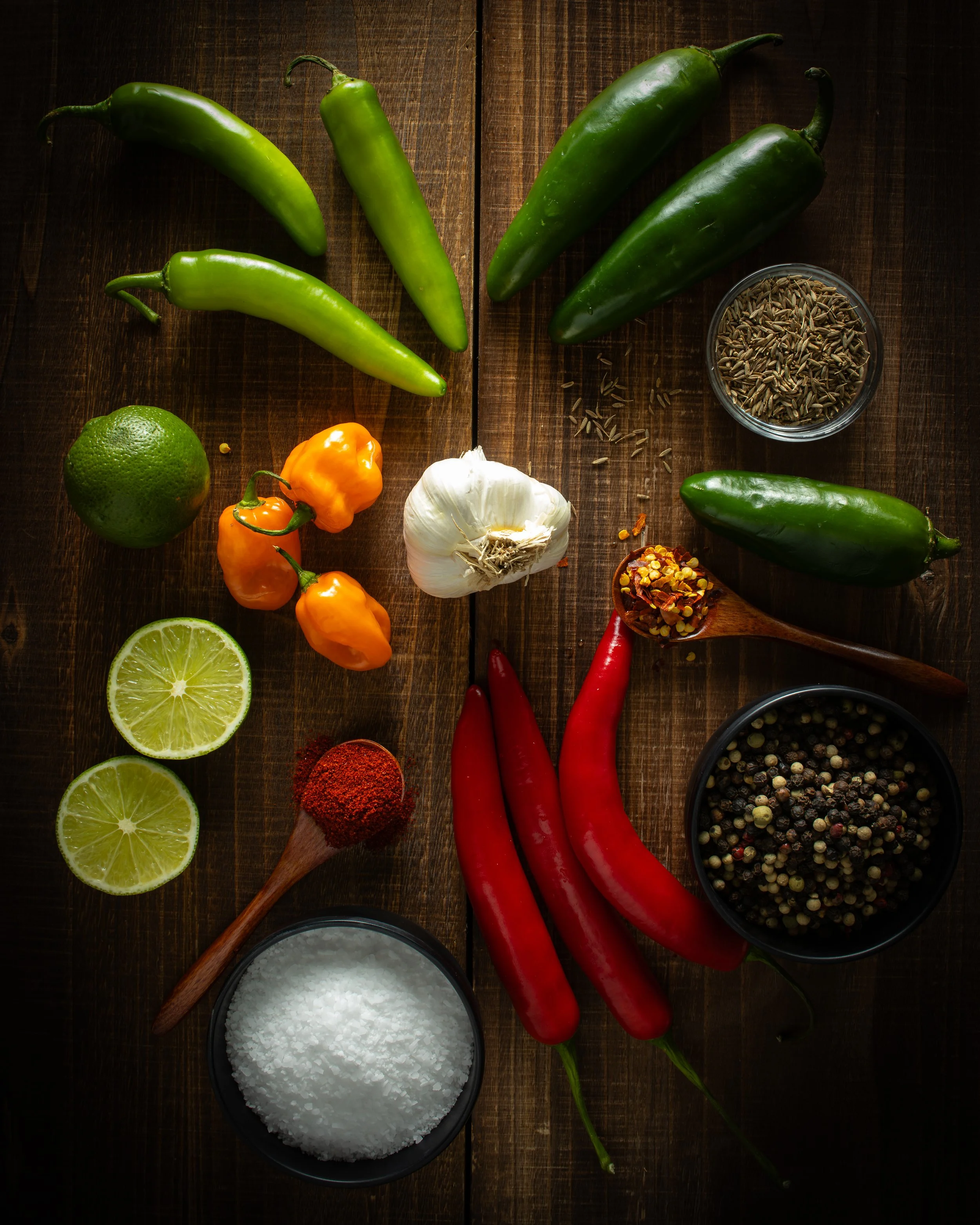
This image was created as a piece of fine art for my kitchen. Rather than photographing a finished meal, I wanted to celebrate the ingredients that define one of my favorite styles of cooking. Cooking has been an important part of my life for many years, and Tex-Mex cuisine has always represented more than bold flavors and vibrant colors. It's about gathering around the table, preparing bold, delicious food with care, and sharing it with friends and family. The ingredients are the foundation of those meals, but the love and time invested in preparing them are just as much a part of the story.
The composition is a flat lay featuring many of the flavors I associate with Tex-Mex cuisine: serrano peppers, jalapeños, habaneros, garlic, coarse salt, whole peppercorns, cumin, crushed red pepper, smoked paprika, and fresh lime. Individually, each ingredient brings its own color, texture, aroma, and character. Together, they represent the beginning of countless meals that have brought people together around my table.
My goal was to create an image that felt warm, rustic, and inviting. The dark wooden background and directional lighting were chosen to give the photograph a fine art still-life aesthetic rather than the bright, commercial look often seen in food photography. I wanted the vibrant reds, greens, oranges, and whites to stand out naturally against the darker tones while allowing the spices and vegetables to retain realistic color and texture.
The photograph was made in my kitchen using a single flash and tethered capture to my computer. Shooting tethered allowed me to evaluate the spacing, balance, and orientation of each ingredient as I built the composition. Small adjustments to the placement of the peppers, bowls, and spices made a noticeable difference in creating visual balance across the frame.
Looking back, I'm pleased that the image captures the feeling I was after. It reflects not only my enjoyment of photography but also my love of cooking. More than a collection of ingredients, I see it as a reminder that memorable meals begin long before the first bite. They begin with simple ingredients, thoughtful preparation, and the desire to create something worth sharing. That's the story I hoped this photograph would tell, and why I think it belongs hanging in my kitchen as a reminder of the joy that good food and good company bring.
Notes
Dish/Subject: Texas Tex-Mex Ingredients Flat Lay
Date: June 14, 2026
Location: Home Kitchen
Intent: Create a fine art still life celebrating the ingredients of Tex-Mex cuisine for display as wall art.
Lighting: Single Godox AD200 Pro Mark II with 32" softbox position at top of frame. White reflector positioned bottom left corner for a little fill.
Camera Angle: Overhead (90° flat lay)
Composition Notes: Balanced colors around the frame with the garlic acting as a visual anchor near the center. Larger peppers placed along diagonals while bowls help add visual weight in the corners.
Styling Notes: Used fresh produce with minimal blemishes. Left a few cumin seeds and chili flakes scattered naturally to avoid an overly staged appearance.
A Suburban Retreat
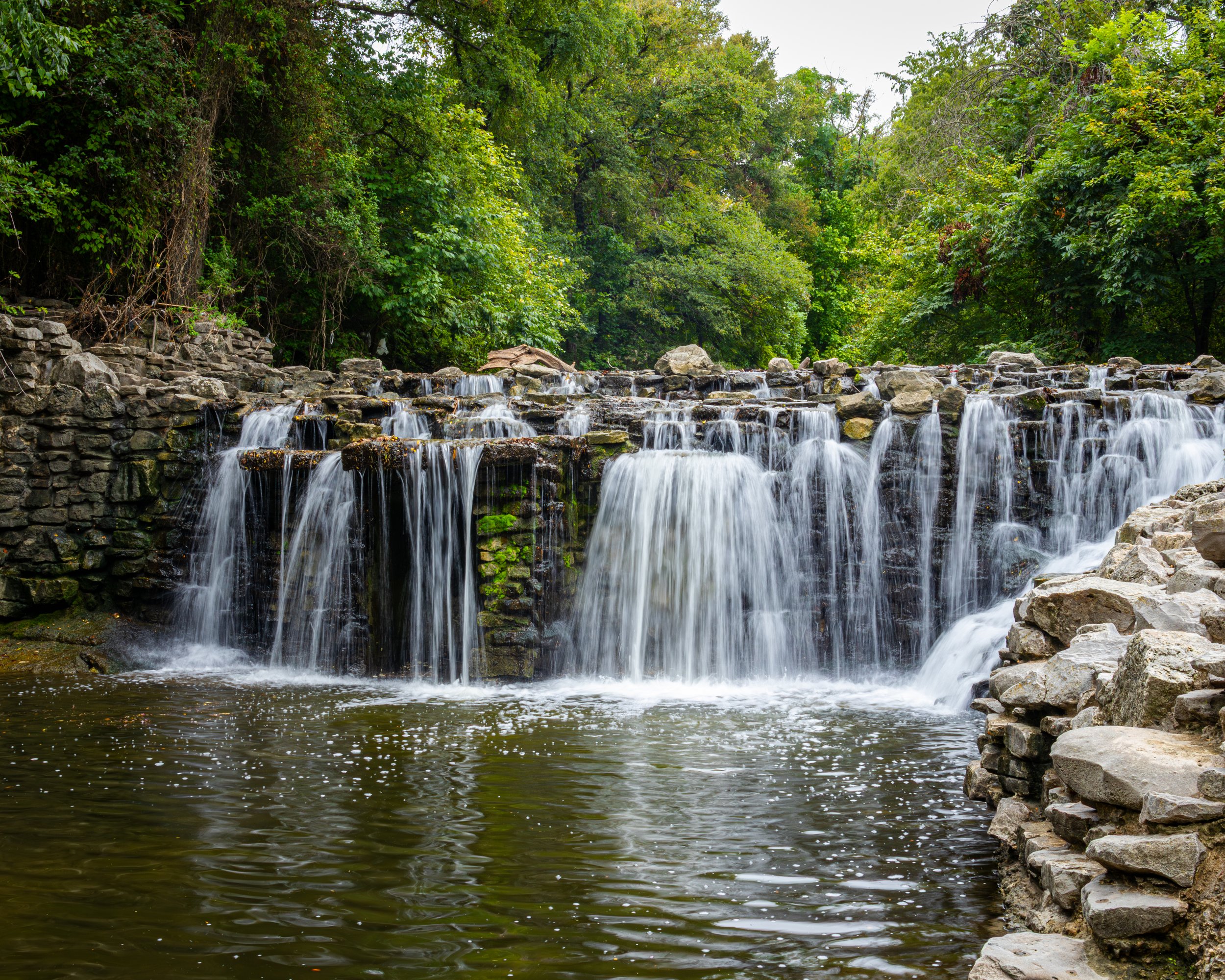
One of the hidden gems in the Dallas–Fort Worth area is Prairie Creek Falls in Richardson, Texas. Tucked away within a quiet residential neighborhood, it's the kind of location that many people drive past without ever realizing there's a beautiful little waterfall just a short walk away.
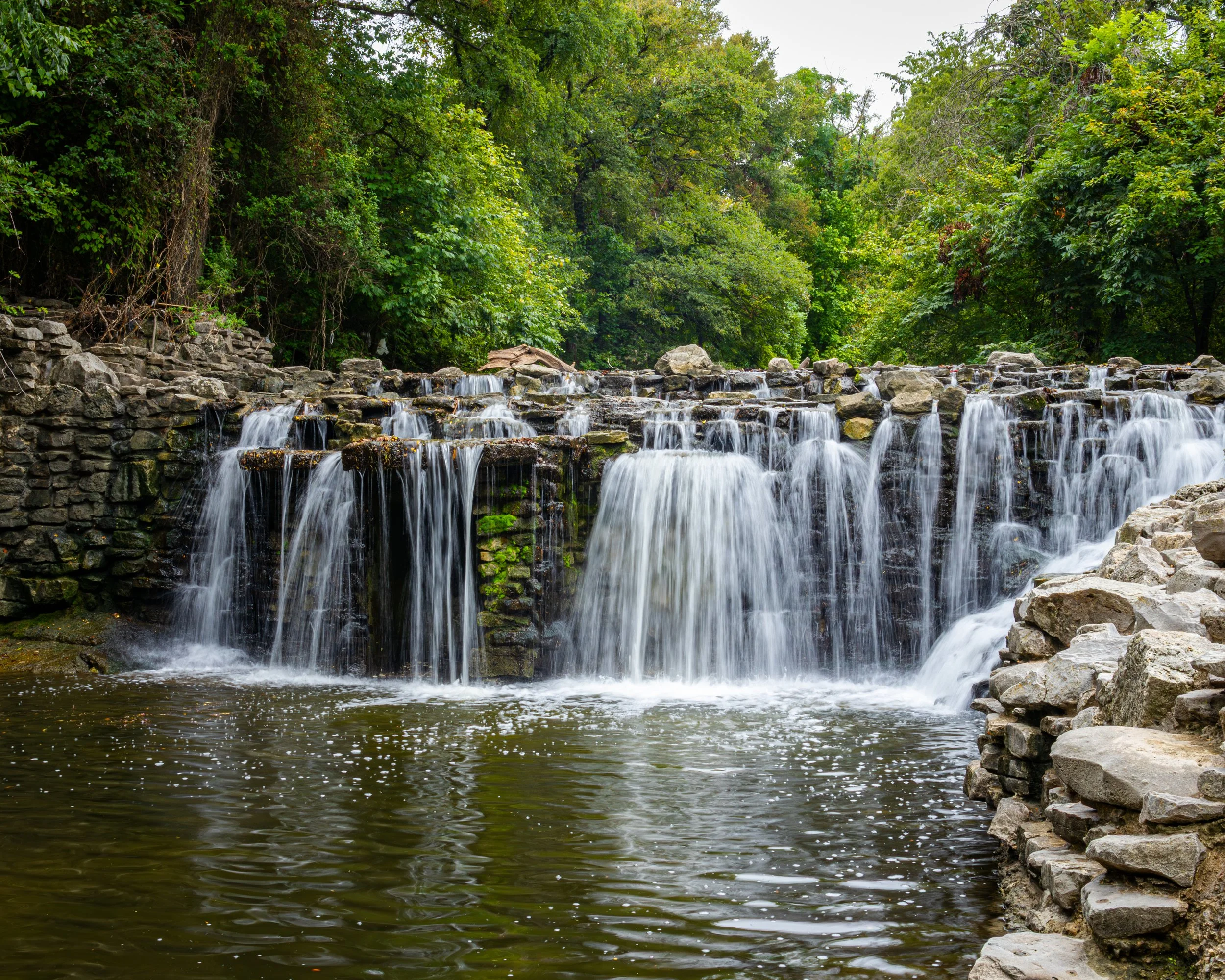
One of the hidden gems in the Dallas–Fort Worth area is Prairie Creek Falls in Richardson, Texas. Tucked away within a quiet residential neighborhood, it's the kind of location that many people drive past without ever realizing there's a beautiful little waterfall just a short walk away.
I visited on the afternoon of September 5, 2021. Mid-afternoon isn't typically the ideal time for landscape photography—the Texas sun can be harsh when high overhead—but the thin cloud cover helped knock it down a bit and I wanted to scout the location and capture a beautiful North Texas waterfall.
Even under the bright afternoon light, the falls were truly beautiful. Water cascaded over the limestone ledges into the creek below, surrounded by mature trees that helped soften the sunlight filtering through the canopy. The combination of flowing water, textured rock, and lush greenery made for a peaceful scene that felt surprisingly removed from the busy city surrounding it.
One of the things I enjoy most about landscape photography is discovering places that remind us beauty can be found almost anywhere. Prairie Creek Falls may not be the largest waterfall in Texas, but it is a wonderful little respite from the hustle and offers an opportunity for DFW natives to practice composition, experiment with long exposures, and capture a tranquil natural setting without traveling far from the metroplex.
If I return—and I certainly plan to—I would love to photograph the falls during golden hour or after a good rainfall when the water flow is stronger and the softer light brings out even more detail in the rocks and surrounding foliage. Autumn color would also provide a completely different perspective on this beautiful location.
Every landscape has its own personality, and Prairie Creek Falls is a reminder that sometimes the best photographic destinations are the ones hiding close to home.
Notes
Location: Prairie Creek Falls, Richardson, Texas
Date Visited: September 5, 2021
Time: Approximately 2:30 PM
Conditions: Thin cloud cover, with bright overhead light
Photography Tip: Visit early in the morning or during golden hour for softer light, or after recent rainfall for stronger water flow.
Why I Love This Spot: One of the best hidden waterfalls in the Dallas–Fort Worth area and an excellent place to practice landscape and long-exposure photography.
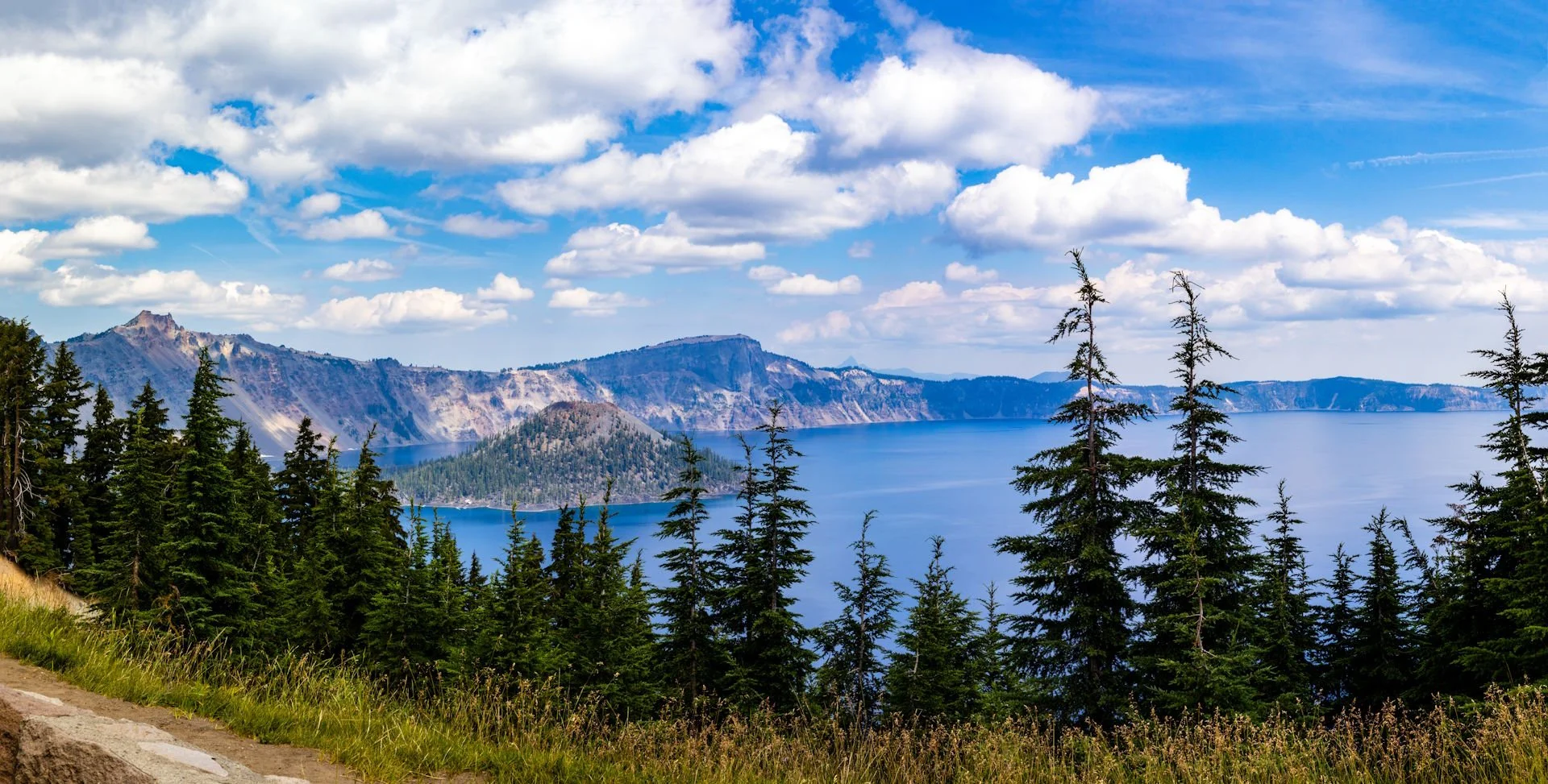
Crater Lake National Park
Crater Lake sits inside the collapsed remains of Mount Mazama, one of many volcanos in the Cascade range. About 7,700 years ago, Mount Mazama unleashed a massive explosive eruption. As the magma chamber emptied, the peak of the mountain collapsed, leaving a broad caldera roughly 5–6 miles across.
It was shaping up to be another hot 100+ degree day in the Rogue River Valley where I was staying when we set out for majestic Crater Lake National Park in early August 2023. After a short drive up Hwy 62 through the Oregon countryside we soon found ourselves working our way up the winding mountain road to the visitor center. When we arrived at Rim Village on the rim of the lake it was a beautiful 72 degrees, with puffy white clouds scattered across the sky. Unfortunately, there was a bit of a haze looking out across the lake that day from the wildfires burning out to the west, but as always the view was worth the trip nonetheless.
I captured the photos that make up this panorama using my Canon M50 Mark II with the 15-45mm kit lens @ 28mm. The final image is made up of 8 photos which were stitched together and edited in Lightroom.
Background
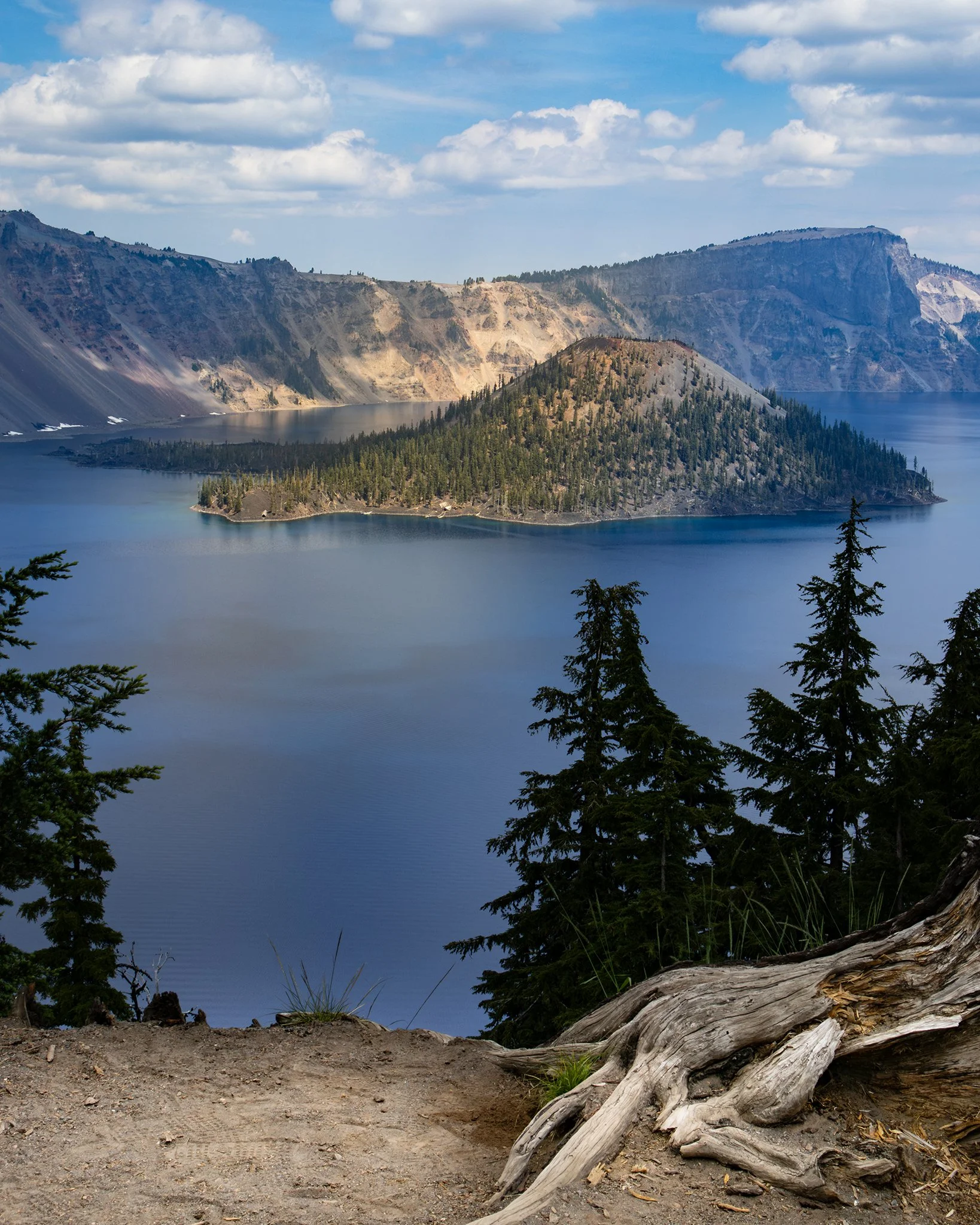
Crater Lake sits inside the collapsed remains of Mount Mazama, one of many volcanos in the Cascade Range. About 7,700 years ago, Mount Mazama unleashed a massive explosive eruption. As the magma chamber emptied, the peak of the mountain collapsed, leaving a broad caldera roughly 5–6 miles across. Subsequent eruptions built up the cinder cone inside the caldera that we now see and know as Wizard Island. Over time, rain and snow filled that basin, creating today’s lake which is famous for its deep blue color and clarity because it’s fed entirely by precipitation rather than rivers bringing in sediment.
Facts About Crater Lake
It’s the deepest lake in the United States @ ~1,943 ft deep.
One of the clearest lakes in the United States. Water clarity averages around 102 ft as measured using standard clarity methods like a Secchi disk. That means you can see a 6 inch disk over 100ft below the surface of the water!
The caldera walls around the lake rise up to ~2,000 ft above the water’s surface in places.
The lake surface sits around 6,178 ft above sea level.
Notes
Location: Crater Lake National Park, Oregon
Date Visited: August 8, 2023
Time: Approximately 1:30 PM
Conditions: Partly cloudy, 72F - Hazy (Wild file smoke)
Photography Tip: Crater Lake is always beautiful. It’s fun to visit early in the spring when there is still snowpack on the mountain, but that can limit accessibility. Travel around the rim and check out the view from different locations. If you’re up for a hike, the trek down to the lake provides a truly breath-taking perspective.
Why I Love This Spot: This is my favorite location anywhere. The history is intriguing and the views are one of a kind, breathtaking and majestic.